
NoPa
North Panhandle, or NoPa, derives its name from being located just North of Panhandle Park. Homes near the Panhandle are exceptionally desirable, and securing NoPa property in this stretch has become increasingly competitive. The recent influx of restaurants and shops has made it one of the city’s cooler destinations. It has been described as a cultural bridge between Haight Ashbury and the rest of the city. Easily accessible to many areas of the city by public transportation or walking makes the North Panhandle neighborhood desirable for residents who prefer not to use a car.
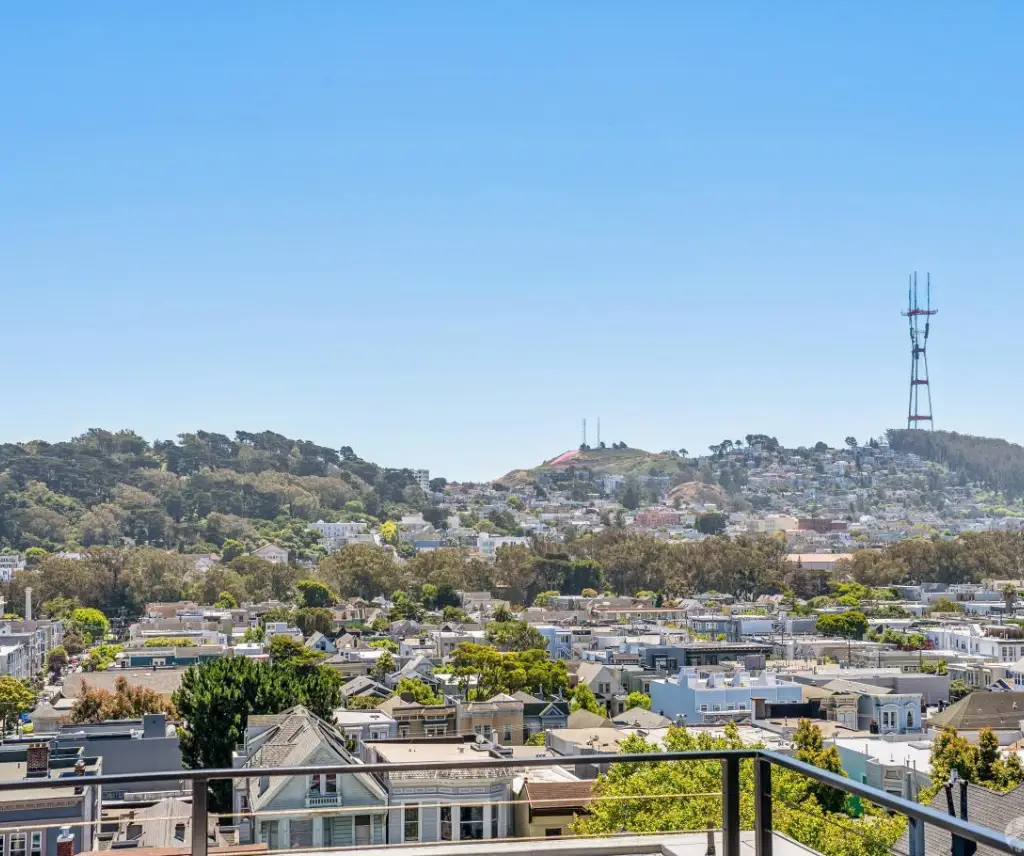
About NoPa
North Panhandle sits between Golden Gate Park to the west, Alamo Square to the east, the Panhandle to the south, and the Fillmore District to the north. It has become one of San Francisco’s most talked-about neighborhoods, with the Divisadero Street corridor drawing a dense concentration of restaurants, cafes, boutiques, and bars. Life in NoPa balances park access, walkability, and one of the city’s best local dining scenes in a compact, well-connected part of San Francisco.
The neighborhood is one of the most walkable and bike-friendly parts of the city, with a Walk Score around 98 and a Bike Score around 99. Many residents live largely car-free, with easy access to Muni bus lines, the N-Judah, and the Wiggle bike route linking NoPa to the rest of the city. This walkability is one of the biggest draws for buyers browsing NoPa real estate.
Residential Overview
Property Types

The architecture in NoPa is defined by a heavy concentration of late 19th-century Victorian and Edwardian styles. Queen Anne homes, including the iconic Painted Ladies near Alamo Square, sit alongside Italianate and Stick/Eastlake designs. Most of these historic multi-unit flats feature bay windows, ornate trim, and vibrant paint jobs that give the neighborhood its distinctive character, and a knowledgeable NoPa real estate agent will help buyers understand how architectural style shapes value across the neighborhood.

Along the Divisadero Street and Fell Street corridors, NoPa features early 20th-century urban vernacular architecture, characterized by ground-level retail spaces with flats or living spaces built directly above. The neighborhood's historic housing stock is continuously evolving as well. Many buildings have seen modern attic conversions, adding dormers and skylights, while recent developments integrate contemporary condominiums into the existing historic framework.

Victorian homes in NoPa were built primarily between 1850 and 1910. Italianate and Queen Anne styles dominate, often featuring flat fronts or dramatic projecting bay windows, bracketed cornices, and heavily adorned entrances. Edwardian buildings, constructed in the early 1900s, are slightly simpler than their Victorian predecessors, with flatter, boxier profiles, refined cornices, classical detailing, and a lighter color palette.

There are single-family homes in NoPa, though their inventory is limited. Most inventory consists of Victorian and Edwardian flats, many held as Tenancy-in-Common (TIC) properties or condominiums, along with a growing number of newer condo developments.
Market Trends
NoPa’s real estate market is competitive, with well-located properties often receiving multiple offers. The area has seen strong long-term appreciation in property values, driven by its central location, walkability, and proximity to Golden Gate Park and the Panhandle. Buyer activity in 2026 has continued to reflect strong interest in the Divisadero corridor and the surrounding residential blocks, making an experienced NoPa realtor invaluable to buyers competing in this market.
As of mid-2026, the median home value in NoPa sits around $1.74M, with prices varying significantly based on size, condition, floor, and specific location. Citywide, San Francisco home values are up approximately 14% year over year, and NoPa has actually performed even better, up just over 25% YoY.. These figures are illustrative of 2026 conditions and will shift month to month.
Price Range (Illustrative of 2026 market conditions. Specific figures fluctuate month to month.)

Median home value (all home types):
$1.736M
Approximately $1.736M in mid-2026
Condominiums and TICs:
$700K to $1M+
One-bedroom units typically sell from around $700K to $1M+ depending on building, size, and condition. Larger flats with preserved period detail command more.
Full-floor Victorian and Edwardian flats:
$1.5M to $2.5M+ range
Regularly trade in the $1.5M to $2.5M+ range, with turnkey renovated properties at the upper end.

Single-family homes:
$2M - $2.5M
Rare in NoPa; when available, typically start between $2M - $2.5M and reflect the neighborhood's most premium inventory.

Rentals:
$4,975 per month
Average around $4,975 per month, above the San Francisco median, reflecting the neighborhood's walkability, dining, and park access.
Data reflects 2026 market trends and is subject to change.
Want today's exact numbers, including active listings and recent sales?
Community and Neighborhood Gallery
Community and Neighborhood Life
North of Panhandle Neighborhood Association (NOPNA)
Active Neighborhood Associations
Park Maintenance and Clean-Up Drives
NOPNA Block Party
Community Events and Festivals
The Divisadero Art Walk
Community Events and Festivals
Our Favorite Spots

Parks and Recreation
Raymond Kimbell Playground
Located near the eastern edge of NoPa, the playground has been recently renovated and now offers basketball courts, a soccer field, a softball field, and updated equipment for younger children.
The Panhandle
The narrow park running east-west in the southern part of the neighborhood is a NoPa hallmark. It’s great for jogging, biking, and leisurely walks, and features basketball courts, a playground, and plenty of open space for picnics and relaxation. It also features “The Wiggle,” which is a bike lane that extends from downtown to Ocean Beach.
Golden Gate Park
Just west of NoPa, Golden Gate Park’s eastern end is easily accessible from the neighborhood. The 1,000+ acre park offers the Conservatory of Flowers, the de Young Museum, the Japanese Tea Garden, and numerous gardens, lakes, and picnic areas.

Dining and Nightlife
Bar Crudo
A NoPa staple serving fresh, creative seafood and one of the best chowders in the city.
Nopa Restaurant
The neighborhood’s namesake and one of San Francisco’s most beloved restaurants. Located in a former bank at Divisadero and Hayes, Nopa is known for its organic wood-fired cuisine, first-rate cocktails, and a vibrant, bustling atmosphere. A go-to for both a memorable dinner and a serious late-night burger.
Nopalito
The casual Cal-Mex sister restaurant to Nopa, celebrated for its regional Mexican dishes made with organic and locally sourced ingredients.
State Bird Provisions
Michelin-starred and a dim-sum-style California cuisine destination, just off the NoPa/Western Addition border. One of the more inventive tasting experiences in the city.
Ju-ni
A Michelin-starred omakase experience on Fulton Street. The 12-seat sushi bar delivers meticulously sourced fish and personalized service in an intimate setting.
4505 Burgers & BBQ
The casual Divisadero eatery serving some of the best smoked meats in San Francisco, along with classic sides and craft beers.
Little Star Pizza
A NoPa institution for deep-dish and thin-crust pizza. A neighborhood favorite for over two decades.
Horsefeather
A popular Divisadero spot for craft cocktails and brunch, with a great atmosphere and a devoted following.
Beretta Divisadero
The NoPa outpost of the well-known Italian concept, offering pizzas, cocktails, and a lively dining room.
Brenda's Meat & Three
The Southern comfort food restaurant that draws lines for its shrimp and grits, biscuits, and hushpuppies.
The Independent
One of San Francisco’s best live music venues, hosting indie, rock, and electronic acts in an intimate setting on Divisadero.

Shopping
Rare Device
A beloved design shop and art gallery on Divisadero, offering a carefully curated selection of housewares, jewelry, art prints, and creative gifts from local and international artists.
The Perish Trust
A modern-day general store on Divisadero, established in 2008, offering a curated mix of vintage and artisanal home goods, gifts, and curiosities. Perfect for unique home pieces and special occasion gifts.
Onyx
A well-curated clothing and accessories boutique featuring pieces from independent designers for everybody.
Topo Designs
A flagship store for high-quality, outdoor-inspired bags, apparel, and adventure accessories

Health and Wellness
Folk Yoga
The beloved NoPa yoga studio (formerly Yoga Garden SF) housed in a Victorian on Divisadero. Folk Yoga offers a wide range of classes, workshops, and teacher training programs, with the welcoming, community-first atmosphere that has anchored the neighborhood’s wellness scene since 1998.
Thriving Life Wellness Center
A neighborhood wellness destination offering integrative and holistic care, with a focus on personalized treatment plans that support long-term health. A go-to for NoPa residents looking for an alternative to conventional medical settings.
Neighborhood Map
NoPa FAQs
NoPa attracts buyers who prioritize dining, nightlife, and walkability over square footage and sometimes dedicated parking. Young professionals, couples, and creatives drawn to Divisadero Street’s energy tend to settle in well and stay long-term.
NoPa’s housing leans heavily toward classic Victorian and Edwardian flats, many subdivided into condos or held as Tenancy-in-Common properties. Single-family homes appear less frequently and tend to move quickly when they do.
NoPa sits between Alamo Square and the Haight geographically and culturally, offering more dining density than Alamo Square and a less touristy character than the Haight. Each neighborhood appeals to different buyer profiles and lifestyle preferences.
NoPa offers strong access to downtown San Francisco via the 5-Fulton bus, the N-Judah Muni line on nearby Carl Street, and easy driving routes through the Panhandle. Many residents bike to downtown using the Wiggle route.
NoPa works well for first-time buyers comfortable with condo or TIC ownership structures, particularly those who prioritize walkability, dining, and proximity to Golden Gate Park over square footage or dedicated parking, which can be more rare in the neighborhood.
NoPa buyers should pay particular attention to permit history given the prevalence of converted multi-unit buildings, foundation and structural reports for older Victorians, type of electrical systems (for insurance purposes), and HOA financials for condominium buildings. Title reports may also reveal historic easements.